gst export refund omission of rules
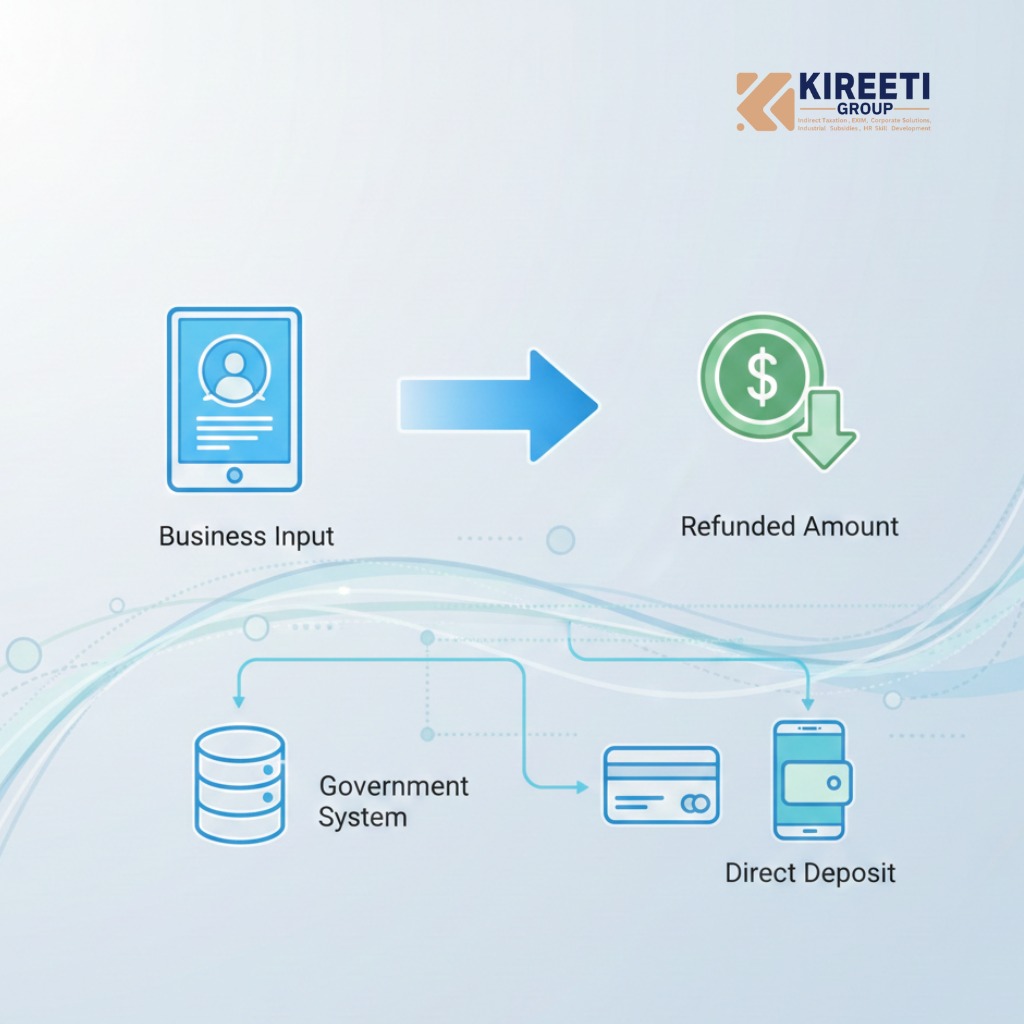
Notification 20/2024-CT: Big Reset in GST Export Refund Rules
Notification No. 20/2024-Central Tax dated 08.10.2024 deletes Rules 89(4A), 89(4B), and 96(10) from the CGST Rules, 2017, fundamentally simplifying GST refunds for exporters.
What exactly has been omitted?
- Rule 89(4A) and 89(4B): These prescribed special, restrictive formulas for refund of unutilised ITC on exports under LUT where inputs were procured under certain concessional/duty-free notifications (e.g., Advance Authorisation, EOU, etc.).
- Rule 96(10): This restricted IGST refund on exports if the exporter or suppliers availed specified customs/GST exemptions (AA, EPCG, EOU, etc.), forcing many into LUT-only refunds.
All three rules now stand omitted with effect from 8 October 2024 by clauses 9 and 10 of Notification 20/2024-CT.
Why were these rules controversial?
- They created double benefit disputes: departments argued that exporters using AA/EPCG/EOU could not get a full IGST refund or had to apply special reduced formulas, leading to demands and litigation.
- Exporters had to segregate ITC, maintain extra working papers, and often faced refund rejections or recoveries solely due to technical non-compliance with these rules.
What changes for exporters now?
- Exporters of goods can again use the standard two refund routes without those extra layers:
- Rule 96 – IGST refund on exports with payment of tax via shipping bill.
- Rule 89(4) – refund of unutilised ITC on exports under LUT/Bond.
There is no separate Rule 89(4A)/(4B) formula or Rule 96(10) restriction for cases involving Advance Authorisation, EPCG, EOU, etc., making the regime more even-handed and closer to a pure zero-rated model.
Practical effects:
- Simpler computations: no special “ineligible ITC” computation just because of concessional imports.
- Better cash flow: eligible exporters can again opt for the IGST route even if they use customs exemptions, subject to the general law.
- Lower litigation: fewer disputes over technical breaches of 96(10) and 89(4A)/(4B).
Prospective vs past impact
- Professional analyses note that the omission is prospective from 8 October 2024; it does not automatically regularise all past cases.
- Courts are already examining whether omission without a savings clause means certain pending proceedings based solely on 89(4A), 89(4B), and 96(10) should lapse, at least for non-finalised periods, but this is still evolving and case-specific.
What exporters should do now
- For exports on or after 8 October 2024, evaluate refund strategy without assuming old 96(10) blocks—IGST refund may again be viable even with AA/EPCG/EOU.
- For older periods, review:
- Ongoing SCNs and appeals issued purely for alleged breach of 96(10) / 89(4A)/(4B).
- Whether recent judicial views on omission without savings can be leveraged to close or mitigate such cases.
If you confirm whether you are using Advance Authorisation, EPCG or no customs scheme, a short, exporter-specific action checklist can be drafted for your refunds before and after 08.10.2024.